
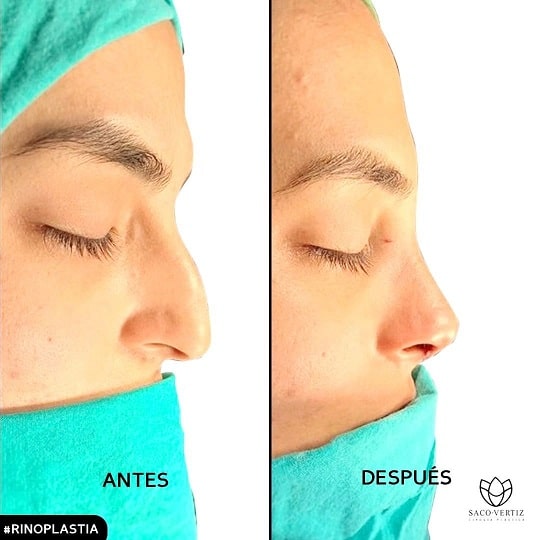
Having your nasal cast removed can be an emotional moment. You have waited to see your new nose, so finding it swollen or less defined than expected may feel disappointing.
Swelling after rhinoplasty can make your nose look wider, fuller or uneven during early recovery.
Removing the cast does not mean healing is complete. Initial swelling improves over the following weeks, while the finer contours can take around a year to develop. Our surgeon will assess how that process is progressing in your case.
Why is my nose still swollen after the cast comes off?
Rhinoplasty changes the structures of the nose and the surrounding tissues need time to recover. The cast, also called a nasal splint, protects and supports the nose during the early stages of healing.
When it is removed, you are seeing an early stage of recovery. Swelling can hide some of the definition, meaning that first look does not show the final result.
If you feel worried, bring it up at your appointment. A useful question is: “Which changes are expected at this stage, and what would you like me to watch for?
How long does rhinoplasty swelling last?
Recovery is gradual. The table below gives a general guide, rather than a deadline for how your nose should look.
| Stage | What you may notice | What to keep in mind |
|---|---|---|
| First 1–2 weeks | Noticeable swelling and bruising; the splint may still be in place. | Your surgeon decides when it should be removed. |
| Weeks 2–6 | Bruising and swelling gradually settle, but your nose may still look full. | Cast removal and final definition happen at different stages. |
| Months 1–3 | Increasing definition as swelling continues to decrease. | Some areas may settle faster than others. |
| Months 3–12 | More subtle changes in contour and remaining swelling. | Follow-up appointments help assess progress. |
| Around one year | A clearer view of the longer-term result. | Some patients need longer; your surgeon can advise. |
The amount and duration of swelling may vary between patients. Comparing yourself with someone else’s recovery photos cannot tell you whether your own healing is on track.
Why does the tip take longer to settle?
The nasal tip can remain swollen after other areas start looking more defined. This may make it appear rounder or less refined than you expected.
Your surgeon can explain how your anatomy and the work performed affect your recovery. Avoid deciding that the tip is “too big” based only on an early photograph.
Can swelling make my nose look uneven?
Yes, swelling can affect the two sides differently during healing. However, an uneven appearance should not automatically be dismissed as swelling.
Mention changes at your follow-up appointments so our surgeon can examine them.
Why does swelling look worse on some mornings?
Swelling can fluctuate and may be more noticeable in the morning. Recovery does not always look like steady improvement from one day to the next.
For a more useful comparison, ask your surgeon how often to take photographs. Use similar lighting, distance and angles, and keep a note of any symptoms rather than relying on appearance alone.
What can I do to support recovery?
Follow your own surgical team’s instructions, especially about:
- Keeping your head elevated while resting.
- Avoiding strenuous activity until cleared.
- Protecting your nose from pressure or accidental bumps.
- Avoiding nose blowing until your surgeon allows it.
- Taking only medicines approved by your surgical team.
Do not copy someone else’s taping or massage routine. Ask your surgeon whether either is appropriate for you and how it should be done.
When should I contact my surgeon?
Contact us promptly if you develop fever, unusual yellow discharge, severe pain, breathing difficulties or bleeding that does not stop. Do not wait for your next routine appointment to report these symptoms.
Severe breathing difficulty or heavy, uncontrolled bleeding needs urgent medical attention.
You can also contact the team simply because something worries you. You do not need to diagnose the problem yourself before asking for help.
Planning rhinoplasty in Peru?
Before travelling, ask how your follow-up appointments will be arranged, when your surgeon expects to assess you for travel, and whom to contact after you return home. Splint removal should not be treated as automatic clearance to fly.
At Surgery in Peru, you can discuss your goals and recovery questions during an evaluation with Dr Daniel Saco-Vertiz.
Explore our rhinoplasty treatment in Lima or contact us on WhatsApp to arrange a consultation.
Already recovering from surgery? Contact your operating surgeon first for advice specific to your procedure.
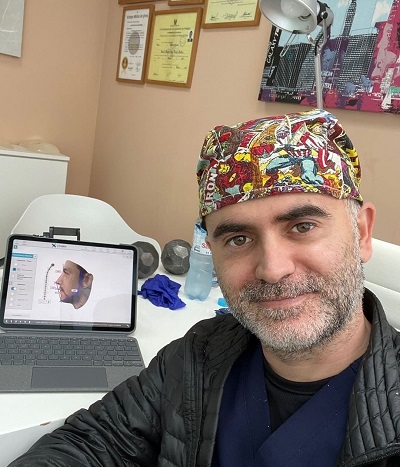
If you are still deciding whether rhinoplasty is right for you, a consultation with Dr Daniel Saco-Vertiz can include a 3D simulation to help you explore possible changes to your nose and how they relate to your facial proportions.
It is an opportunity to explain what you would like to improve, ask questions and discuss realistic expectations before making a decision.
The simulation is a visual guide for that conversation, not a guarantee of your surgical result.