

A mini facelift is a surgical procedure that may improve early sagging in the lower face, including mild jowls and reduced definition along the jawline. It usually treats a more limited area than a traditional facelift.
Whether it is suitable depends on your facial anatomy, skin quality, degree of sagging, health and goals. A consultation with our plastic surgeon can help determine which procedure, if any, is appropriate.
Mini facelift vs. traditional facelift
| Mini facelift | Traditional facelift | |
|---|---|---|
| Typical focus | Early or mild sagging in a limited area of the lower face | More extensive signs of aging in the face, and sometimes the neck |
| Treatment area | Often the lower cheeks and jawline; exact areas depend on the plan | May address the cheeks, jowls and, when planned, the neck |
| Incisions and technique | Often uses a more limited incision, but techniques differ | Incisions and tissue treatment are planned according to the areas being treated |
| Neck concerns | May have limited effect on significant neck sagging or bands | A neck lift may be included or performed alongside it when appropriate |
| Best next step | Ask the surgeon exactly what “mini facelift” means for your case | Discuss which areas need treatment and whether a neck lift is recommended |
This is a general comparison. The names alone do not tell you exactly what a surgeon will do. Ask about the specific technique, treatment areas and limitations in your case.
What can a mini facelift improve?
Depending on the surgical plan, a mini facelift may improve mild sagging around the lower cheeks and jawline. It may not be enough to address pronounced jowls, significant loose skin, or noticeable neck sagging and bands.
If those are your main concerns, your surgeon may discuss a traditional facelift, a neck lift or another approach.
Who might be a candidate?
A mini facelift may be considered for someone with early signs of lower-face sagging who is healthy enough for surgery and has realistic expectations. Age alone does not determine candidacy.
Before recommending a procedure, the surgeon should assess your face and neck, review your health history and medications, and ask about previous procedures and smoking.
Perhaps at consultation, a full facelift is recommended rather than a mini, for the purpose of obtaining optimal results.
Some health conditions and medicines can affect surgical planning or healing. Tell your surgeon about all medications and supplements you take, and follow their instructions before surgery. Do not stop prescribed medication unless your treating clinician advises you to.
How is the procedure performed?
The operation is planned for the patient’s anatomy and goals. Incisions are commonly placed around the ear, but their location and length depend on the technique. The surgeon may reposition deeper tissues and remove or redrape excess skin. The surgical setting and anesthesia depend on the plan and the patient’s needs.
At your consultation, ask what the surgeon means by “mini facelift” in your case. Find out which areas will be treated, where the incisions will be, what anesthesia and surgical setting are planned, and whether another procedure is recommended.
Recovery and results
Swelling, bruising, temporary numbness and discomfort can occur. Recovery varies, so your surgeon should give you instructions about wound care, activity, follow-up appointments and when you can return to work or exercise. Follow those instructions and contact your surgical team if you have concerns.
Results and how long they last vary with the procedure, healing and natural aging. A facelift does not stop the aging process, and a specific duration cannot be guaranteed.
Risks and safety
A mini facelift is still surgery. Possible risks include bleeding or a collection of blood under the skin, infection, problems with healing or scarring, changes in skin sensation, asymmetry, hair loss near an incision and anesthesia-related complications. Facial nerve injury is also a possible, less common complication.
The surgeon should explain the risks relevant to your health and proposed procedure before you decide. www.isaps.org
Our plastic surgery team in Lima
Dr. Daniel Saco-Vertiz is our plastic surgeon specialized in facial surgery, breast surgery, body contouring, and aesthetic transformation procedures.
He is known for detailed surgical planning, personalized evaluations, and the use of modern technology such as 3D simulation for selected procedures.
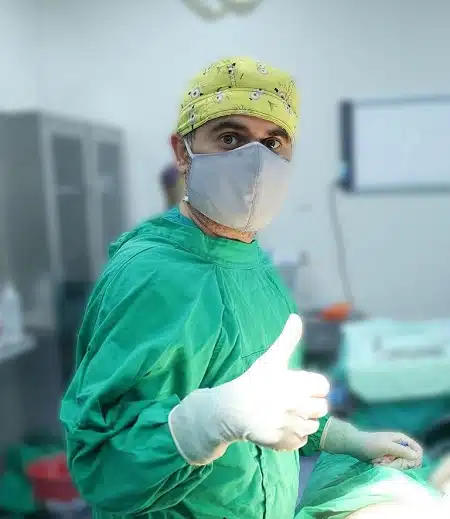
Dr. Daniel Saco-Vertiz
Plastic surgeon specialized in facial surgery.
CMP 49075 | RNE 34624 | 1️⃣📍Chacarilla, Surco location
Dra. Maria Eugenia Ruiz is a plastic surgeon specialized in facial rejuvenation surgery, body contouring, mommy makeover procedures, and aesthetic surgery for women.
Her approach focuses on natural proportions, patient safety, and personalized treatment planning.

Dr. Maria Eugenia Ruiz
Plastic surgeon specialized in facial surgery.
CMP 29662 | RNE 15710 | 2️⃣📍Monterrico, Surco location
Modern clinics and safe operating rooms
When considering the best plastic surgery in Lima Peru, the clinic is just as important as the surgeon.
Surgery should always be performed in a properly equipped medical facility with modern operating rooms, safe anesthesia protocols, trained medical staff, and post-operative monitoring.
Our doctors work in private clinics and modern surgical facilities in Lima, including areas such as Surco, Monterrico, and San Isidro.
A modern, fully equipped operating room is essential for safe plastic surgery.
Patient safety must always come before convenience, speed, or price.
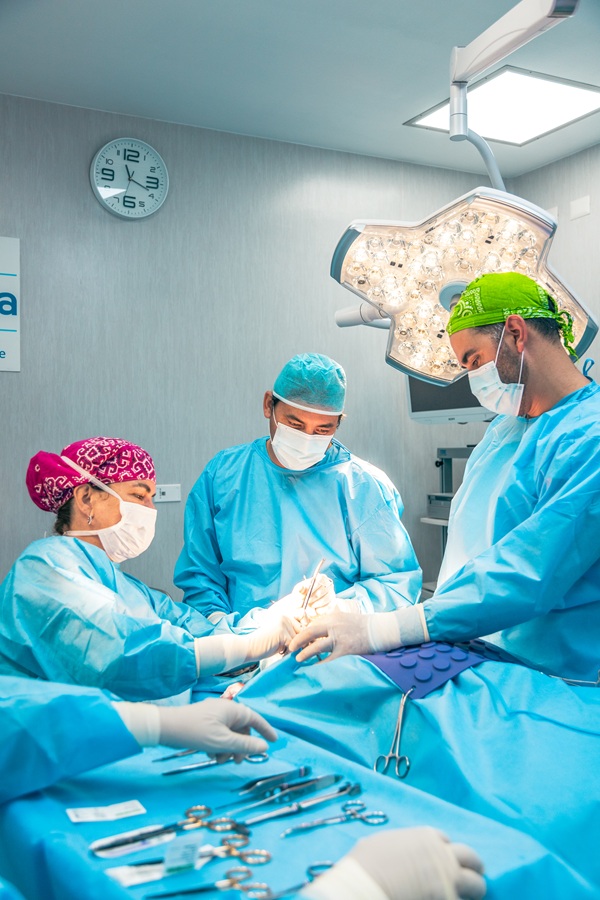
We use only modern, fully equipped operating rooms for the best plastic surgery in Lima
📩 Contact Us for a Personalized Evaluation
📞 Call us: +51 922 435 001
📲 Write to us on WhatsApp
🌐 Fill out our online consultation form to request your appointment
And finally, I’m Lloyd — Message us and I will help you understand your options, schedule your appointment, and plan your treatment safely.

Frequently Asked Questions

❓ Does a mini facelift tighten the neck?
It may have a limited effect on the neck. If you have noticeable loose skin or neck bands, ask whether a neck lift or a different facelift plan would better address them.
❓ Is a mini facelift less invasive than a traditional facelift?
It is generally planned for a more limited area, but the term covers different techniques. Ask your surgeon about the incision, depth of treatment, anesthesia and expected recovery for your specific procedure.
❓ How long is recovery after a mini facelift?
There is no single timeline for everyone. Recovery depends on the technique and your healing. Your surgeon will advise when to resume work, exercise and other activities.
❓ How long do mini facelift results last?
Results vary, and the face continues to age after surgery. Your surgeon can discuss likely outcomes for your case, but cannot guarantee a fixed duration.
❓ Can a mini facelift correct significant loose skin or neck sagging?
It may not be the right procedure for more extensive sagging. An assessment can help determine whether a traditional facelift, neck lift or another treatment is more suitable.
❓ What should I ask at a consultation?
Ask which areas will be treated, what technique and incision pattern are planned, where surgery will take place, what anesthesia will be used, what risks apply to you, and what recovery and follow-up care to expect.